
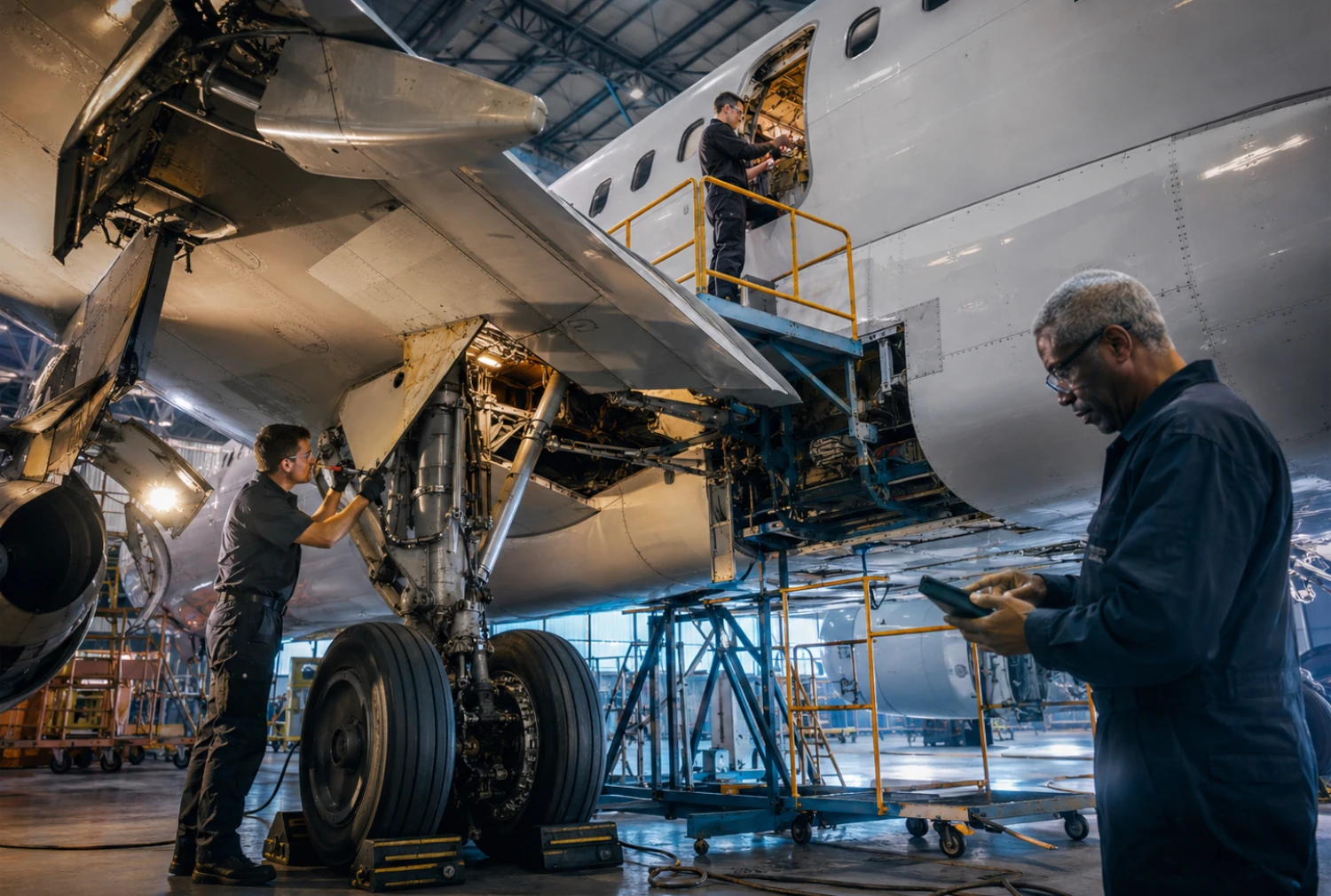
Aviation Maintenance Staffing for Commercial Aircraft Projects
Commercial aircraft maintenance schedules can change quickly. A planned check can expand after inspection, a cabin modification can overlap with another input, or an MRO can need additional technicians to protect an important delivery date. In these situations, aviation maintenance staffing gives airlines and maintenance organizations a practical way to add technical capacity for a defined project or period.
Fibrax Aviation supports commercial aircraft programs with skilled technicians for avionics, structures, interiors, and maintenance work. The objective is not simply to add people to a hangar. It is to provide personnel whose experience fits the work scope and who can integrate with the customer’s procedures, supervision, documentation, and production plan.
Why Airlines and MROs Need Flexible Technical Support
Maintenance demand is rarely identical from one month to the next. Airlines and MROs may have a stable core workforce but still need more support when several aircraft arrive at once, a modification program begins, or a check requires more labor than originally forecast. Hiring permanent employees for every temporary peak may not match the duration or location of the work.
Contract aircraft maintenance technicians can help an established team increase capacity while keeping the staffing plan connected to the actual project. The customer defines the approved work scope, technical data, quality controls, and operational requirements. The staffing partner helps identify technicians with relevant experience and prepares them to enter the program with clear expectations.
When Aviation Maintenance Staffing Can Help
Additional maintenance staffing is most useful when the need is specific and time-sensitive. Common situations include:
- Scheduled heavy checks and planned hangar visits
- Aircraft modifications, upgrades, and special maintenance programs
- Cabin interior removal, installation, repair, and refurbishment work
- Avionics installation, testing, troubleshooting, and connectivity projects
- Structural repairs, sheet metal work, corrosion treatment, and approved modifications
- Parallel aircraft inputs that temporarily exceed the available workforce
- Short-term labor gaps caused by schedule changes, turnover, or unplanned absences
- Programs that require a particular aircraft type, task, or technical background
The right solution depends on the work package. A cabin project may need interior technicians with installation and finish experience, while an avionics modification may require technicians who can interpret wiring diagrams, install components, complete testing, and document the work accurately.
What Effective Maintenance Staffing Should Accomplish
Aviation maintenance staffing should support production without weakening communication or quality. That starts with matching people to the actual tasks instead of filling positions only by job title. The aircraft platform, work environment, shift, duration, required experience, and technical responsibilities all matter.
A well-prepared staffing plan should help the customer:
- Add qualified technical capacity for a defined maintenance schedule
- Align technician experience with the aircraft and work scope
- Maintain clear reporting lines and shift communication
- Support accurate documentation and controlled work processes
- Adjust staffing levels as the maintenance program changes
- Keep permanent team members focused on the responsibilities where they are most needed
Before technicians arrive, both sides should understand the assignment, onboarding process, shift structure, work location, expected duration, and required customer procedures. Clear preparation reduces confusion and helps contract personnel become productive members of the maintenance team.
Technical Skills for Different Aircraft Work Scopes
Commercial aircraft maintenance support can require several specialties within the same visit. Depending on the program, the staffing mix may include technicians with experience in the following areas:
- Avionics: electrical troubleshooting, wiring, component installation, communications, navigation, connectivity, and operational testing
- Structures: sheet metal repairs, structural repair manual work, corrosion treatment, inspections, and aircraft modifications
- Interiors: seats, sidewalls, overhead bins, flooring, monuments, cabin components, removal, installation, repair, and finish work
- Aircraft maintenance: inspection support, component access, removal and installation tasks, discrepancy correction, and maintenance documentation
Some projects need one specialty, while others require a coordinated group. For example, a cabin connectivity upgrade may involve interiors personnel opening and restoring cabin areas, avionics technicians installing and testing equipment, and structural mechanics completing approved support or modification work. Planning the mix early helps reduce handoff delays between teams.
Aircraft Cabin Maintenance Subcontractor Support
Cabin work is often schedule-driven because operators want to return aircraft to service with minimal downtime. An aircraft cabin maintenance subcontractor can add experienced interior technicians for a complete cabin program or a specific phase of the work.
Support may include removal and installation of seats and cabin components, sidewall and ceiling panels, overhead bins, flooring, galleys, lavatories, monuments, trim, and other interior items included in the approved work package. Interior technicians may also support cabin repairs, refurbishment, reconfiguration, and modification programs while coordinating with avionics, structures, quality, and production teams.
The best staffing plan considers more than total headcount. It should account for the sequence of removal, access, modification, inspection, testing, close-up, and final finish work. Technicians with relevant cabin experience can help the customer maintain that sequence and reduce avoidable rework.
Supporting Heavy-Check and Modification Schedules
Heavy maintenance visits involve many connected tasks, and the labor requirement can change as inspections reveal additional discrepancies. A practical heavy-check staffing support plan should allow the customer to add the right technical skills at the stages where they create the most value.
Early in the visit, additional technicians may be needed for access, removal, inspection support, and initial findings. Later phases may require more structural repair, avionics, component installation, cabin close-up, operational testing, and documentation support. Staffing should follow the work rather than remain disconnected from the production schedule.
For modification programs, consistency is also important. Technicians who understand the task sequence and technical expectations can support repeat aircraft more efficiently as the program progresses. Clear customer supervision, approved technical data, reliable shift turnover, and accurate records remain essential throughout the project.
Information to Share Before Requesting Technicians
The more complete the project information is, the easier it is to identify a suitable staffing approach. Airlines, MROs, and aviation service providers should be prepared to share:
- Aircraft type, fleet, and maintenance environment
- Project location, anticipated start date, duration, and shift schedule
- Work scope and the technical specialties required
- Estimated number of technicians and any planned staffing phases
- Required licenses, authorizations, aircraft experience, or customer qualifications
- Onboarding, badging, training, tooling, and personal protective equipment requirements
- Customer points of contact and reporting structure
Not every detail needs to be final before the first conversation. However, a clear description of the immediate need helps the staffing provider ask better questions and avoid presenting technicians whose experience does not match the program.
What to Look for in an Aviation Staffing Partner
A staffing provider should understand that commercial aircraft maintenance is a controlled technical environment. Reliable support depends on honest communication about availability, experience, schedule, and project expectations.
When evaluating a provider, look for a clear process for matching experience to the work scope, preparing technicians for the assignment, communicating changes, and supporting the customer throughout the project. The provider should also understand the difference between avionics, structures, interiors, and general maintenance requirements rather than treating every technician request as interchangeable.
The strongest working relationship is collaborative. The airline or MRO controls its approved maintenance program, procedures, technical data, supervision, and quality system. The staffing partner supports that environment by supplying suitable personnel and maintaining communication as needs evolve.
Why Work With Fibrax Aviation?
Fibrax Aviation provides technical workforce support for commercial aircraft maintenance and modification projects. Our service focus includes avionics, structural, interior, and aircraft maintenance personnel for airlines, MROs, and aviation organizations that need additional project capacity.
We begin with the work scope. Understanding the aircraft, location, schedule, technical requirements, and customer expectations helps us focus on personnel whose experience is relevant to the assignment. This approach supports better communication from the first request through the active project.
Whether the need involves a cabin program, avionics installation, structural repair, heavy maintenance visit, or another commercial aircraft project, Fibrax Aviation can discuss a staffing plan built around the work.
Request Aviation Maintenance Staffing Support
If your airline, MRO, or aviation organization needs aviation maintenance staffing, contract aircraft maintenance technicians, aircraft cabin maintenance subcontractor support, or skilled personnel for an upcoming maintenance program, send Fibrax Aviation the basic project details.
Include the aircraft type, location, expected dates, shifts, work scope, technical specialties, and approximate number of technicians required. Our team can review the request and discuss the next step based on your program.
Use our Request Our Services Page to tell us about your aviation maintenance staffing needs.
You can also visit our Contact Page to speak with Fibrax Aviation about commercial aircraft maintenance support.